The Aromatic Reset: How to Spring Clean Your Home’s Energy
Introduction
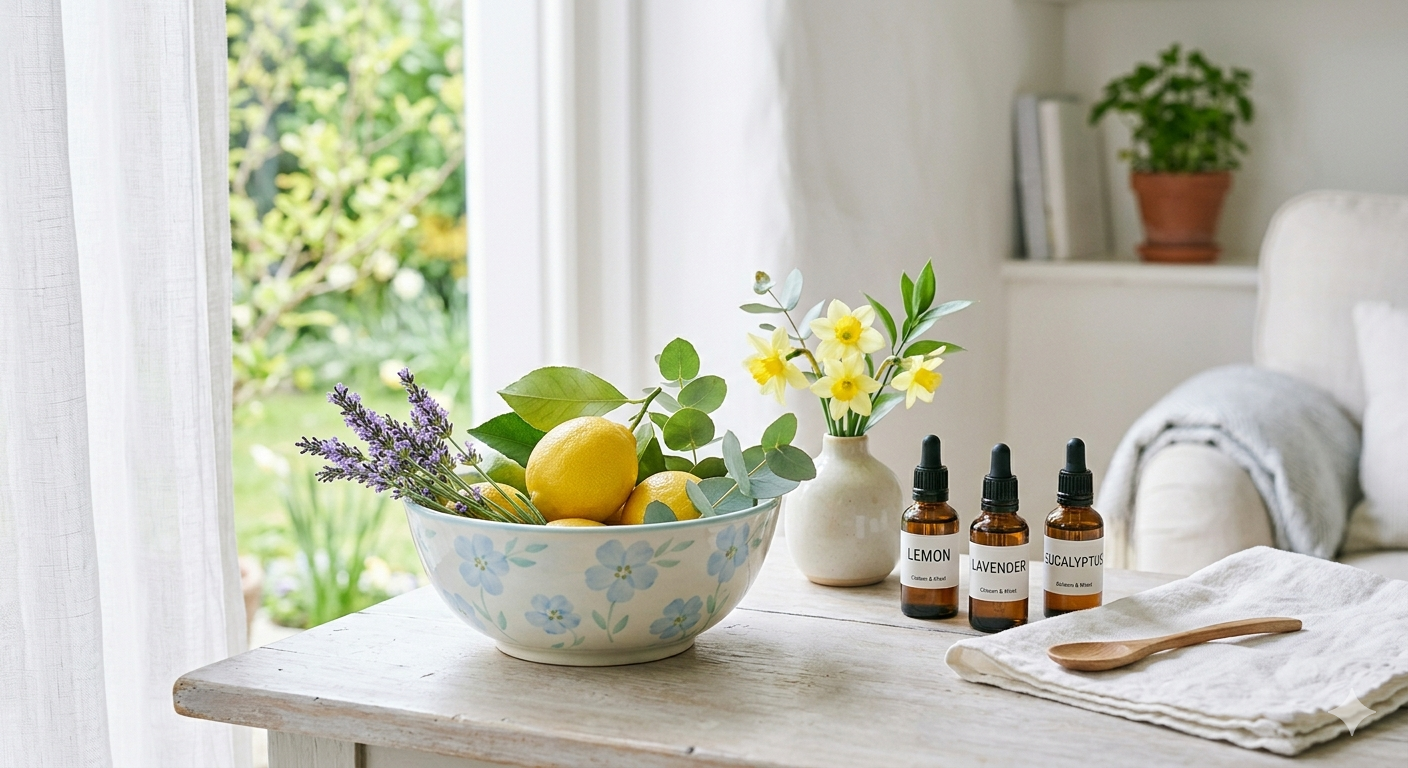
The end of the “Winter Slump” is upon us, the weather is brightening and (for most of us) the worst of the dark, dankness of the dust and stale air from the heaviness of being indoors over the winter months is coming to an end.
With the arrival of April and the official beginning of spring in many people’s minds, this is the perfect time to clear the deck and get the windows open and the fresh air of the season to clear any lingering cobwebs.
We can do this with Aromatherapy. Not just by making a room smell nice, oh no, no.
As we covered in our March blog series, using essential oils that can trigger your brain to “wake up” from it’s winter mentality will assist you to physically clean the air and mentally reset our focus.
A Quick Safety Note
It’s important to point out a few safety notes in mind and ensure that they are followed mindfully.
Some essential oils such as Rosemary and Eucalyptus are reported to have properties that can trigger those living with Epilepsy, so caution is very important and avoid or speak to your doctor if you are unsure.
Where possible alternative essential oils are suggested for use if you’re unable to use Rosemary, but do NOT risk using any ingredient if you are unsure.
Essential oils must never be used on your skin without being diluted in a carrier oil, and must never be ingested or taken internally. In the event that essential oils get onto your skin, wash off immediately with warm water and your usual soap and monitor for any affects. If in the eyes, rinse a few times with milk and seek medical advice immediately.
Always ensure your space is well-ventilated when diffusing, especially around pets or small children. If applying mist to fabrics, do a small patch test first to ensure the oils don't stain.
This article is for educational purposes only and is NOT a substitute for medical advice or treatment. Always be mindful of safety with everything you make, and remember:
If in doubt, Check it out.
The Science of "Clean" (Why it Works)
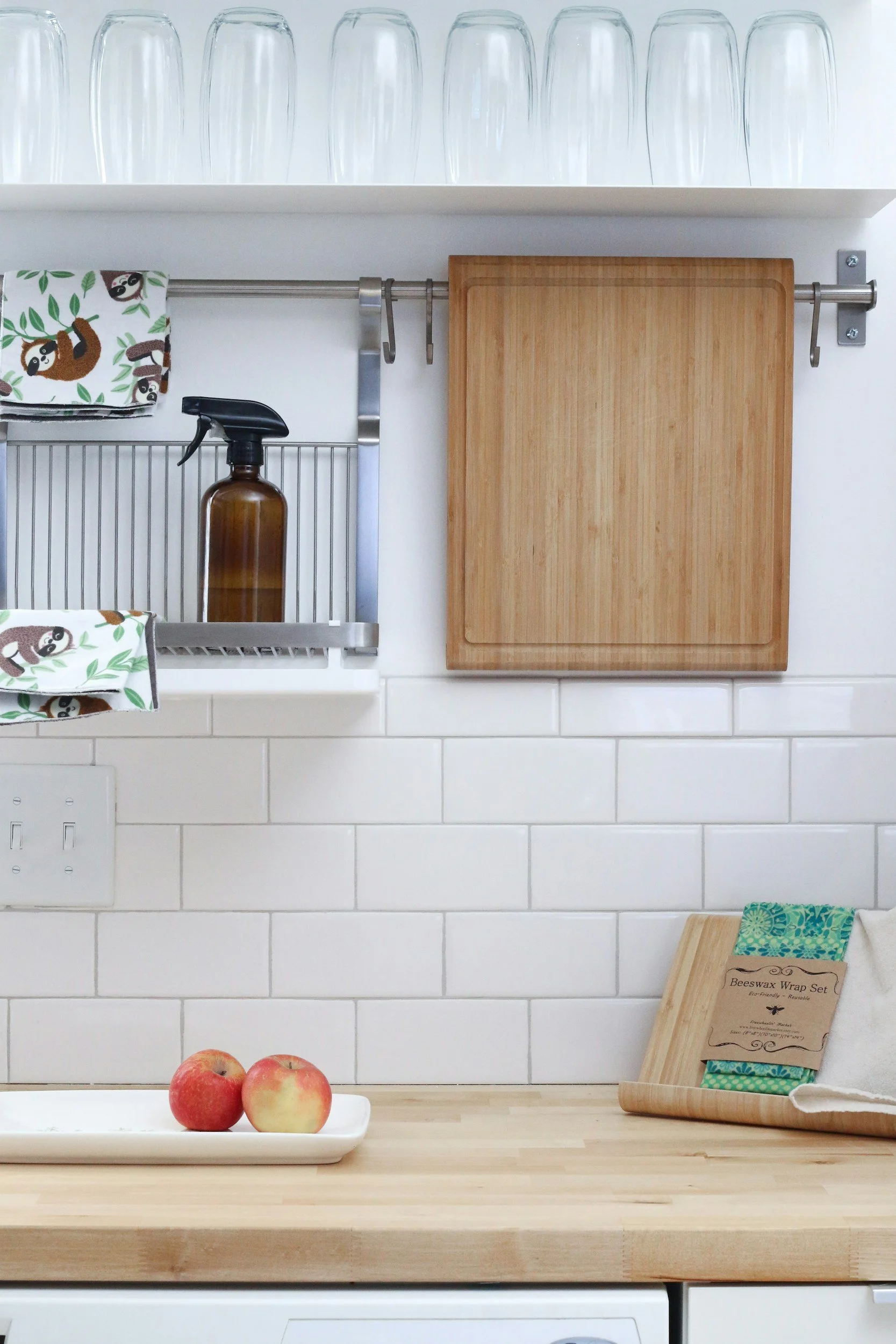
Did you know that as well as smelling amazing, many essential oils have chemical components, for example Limonene, that give them extra qualities, such as antibacterial or antifungal properties. Which can make household cleaning a breeze. These essential oils actively neutralize and remove odours rather than masking them for them to pop back up later, while simultaneously helping to remove harmful pathogens without harsh chemicals.
To reiterate from our March series, our sense of smell is the only one of our five senses with a direct line to the limbic system—the part of the brain responsible for emotion and memory. To put it technically, receptors within the nasal cavity collects smell particles caught in the nose hairs, sending signals to the brain in order to process and recognise them. This means that this amazing part of your brain works without your conscious effort, transporting you back to your most precious memories in an instant. This also means that fragrance can dictate your body’s responses depending on the affect you want to achieve. So when you inhale a sharp, clarifying essential oil, you aren't just smelling a plant; you are sending a biological "wake-up call" to your brain.
The "April Trio" (Key Oils)
There are so many essential oils that are incredible cleaners and fresheners. These are three of my favourites that not only smell amazing but can help make your home clean and fresh.
Lemon (Citrus Limon): A natural number one choice for use in kitchen and bathroom cleaners. It has a bright and refreshing fragrance.
Eucalyptus (Eucalyptus Globulus or Eucalyptus Radiata): A perfect essential oil to embody freshness, it has strong antibacterial, antifungal, and antiviral properties, making it an excellent disinfectant for surfaces. It also has properties that act as a natural solvent to help remove grime and residues.
Pine (Pinus Sylvestris): A classic fragrance, pine is valued as a strong disinfectant and as an effective degreaser on hard surfaces. It also has a distinct fresh fragrance.
Eucalyptus essential oil has a recorded history of posing a high risk for those living with epilepsy to trigger their seizures. Its best to avoid Eucalyptus essential oil completely, as inhaling the fragrance is shown to also have an affect.
An alternative essential oil to use instead of Rosemary would be Bergamot FCF (Citrus bergamia) or Lavender (Lavandula Angustifolia) but NOT Spiked Lavender.
A “Fresh Air” Diffuser Blend
For this month’s article, I wanted to provide you with a recipe that can be adapted a bit more freely.
You Will Need:
3 Drops of Lemon Essential Oil
2 Drops of Eucalyptus Essential Oil (or alternative)
An optional drop of Lavender Essential Oil
10mls of Carrier Oil (Either Fractionated Coconut or Grapeseed Oil)
10ml dropper bottle.
A mini funnel
What To Do:
Add the Essential oils to the 10ml bottle using the mini funnel.
Add the Carrier oil to fill the bottle, leaving a small gap at the top.
Seal the bottle with the dropper cap and lid.
Gently rotate the bottle to mix the oils together.
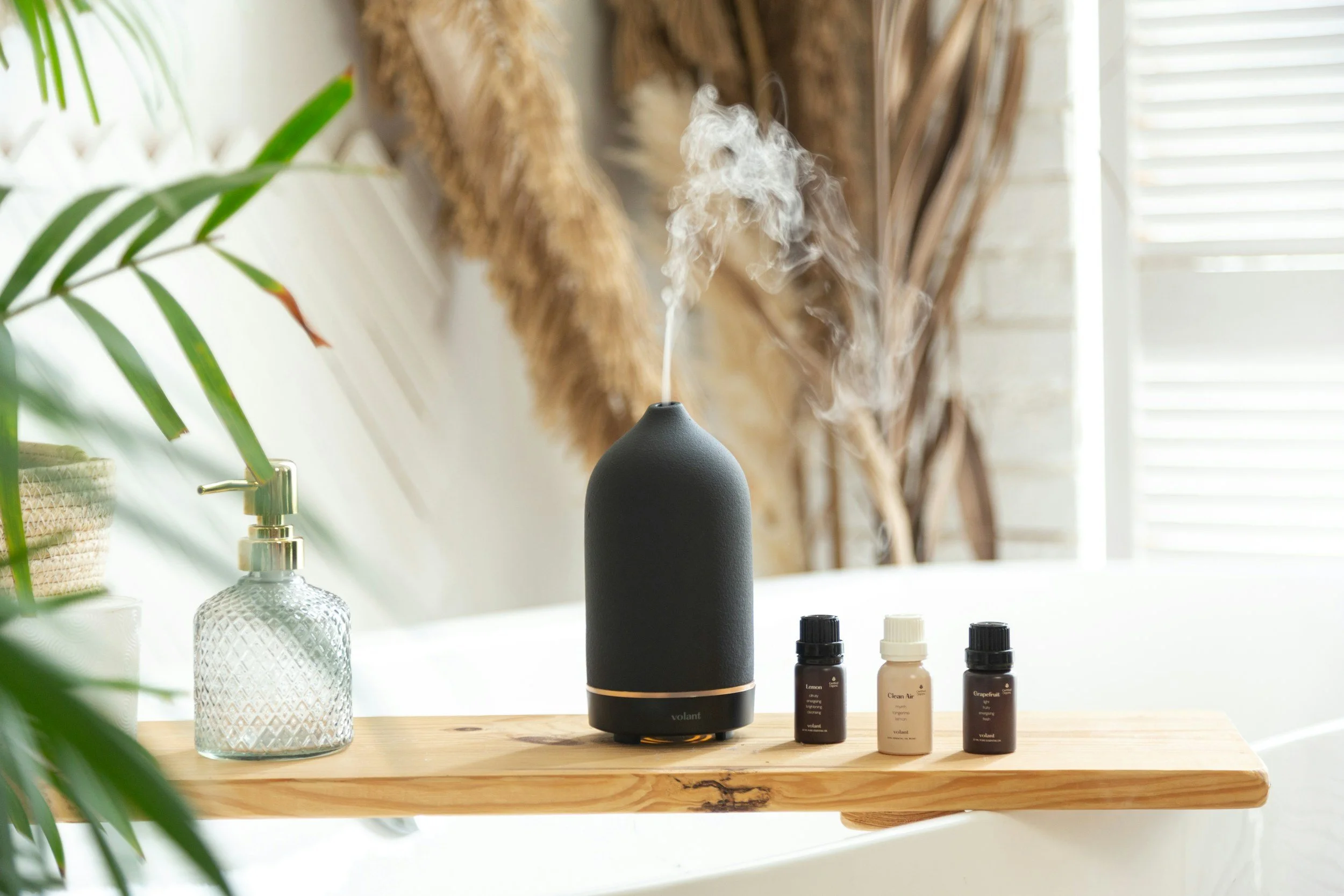
Preparing An Oil burner
1. Make sure the oil burner is placed on a heat proof surface and AWAY from any flammable substances/items.
2. Place some water in the reservoir in the top of the oil burner
3. Add a few drops of the blended fragrance oil
4. Light the candle and enjoy!
You can use the same essential oil blend to make a refreshing room spray as well!

Room Spray Recipe
What You Will Need:
A 10ml spay mist bottle
3 Drops of Lemon Essential Oil
2 Drops of Eucalyptus Essential Oil (or alternative)
An optional drop of Lavender Essential Oil
A splash of Witch Hazel
Distilled Water
A mini Funnel
What To Do:
Add the Essential oils to the spray bottle using the mini funnel
Add a splash of Witch Hazel to about ¼ of the bottle.
Fill the rest with the Distilled Water.
Shake well to mix and Shake well before each use
An added bonus:
You can add up to 10 drops of Pine Essential Oil to a bucket of hot water as a wash for your floors. This is extremely refreshing and helps to disinfect surfaces.
Conclusion
Thank you so much for reading!
Hopefully, this article has been helpful and encourages you to shed the winter cobwebs and let that fresh spring air in.
Do you have a favourite ritual to claim back your space for the new season?
Let me know in the comments below, I’d love to hear from you.
Next week in Part 2, we’ll be moving on from cleaning the space to energizing the body for all those upcoming outdoor walks and spring picnics
Reference & Source List
To ensure your blog is grounded in both traditional aromatherapy and modern science, here are the types of sources I utilized to build this plan:
Tisserand, R., & Young, R. (2013). Essential Oil Safety. (The "Gold Standard" for safety data, particularly regarding phototoxicity and respiratory irritants).
Worwood, V. A. (2016). The Complete Book of Essential Oils and Aromatherapy. (Excellent for "energetic" descriptions of oils and home cleaning recipes).
Journal of Essential Oil Research (JEOR). (Source for the antimicrobial properties of citrus oils like Citrus limon).
The International Federation of Professional Aromatherapists (IFPA). (Guidelines on seasonal wellness and the psychological impacts of scent).
National Association for Holistic Aromatherapy (NAHA). (Information on the chemistry of limonene and pinene for air purification).
The Heart of Aromatherapy: An Easy-To-Use Guide for Essential Oils by Andrea Butje. Published in 2017 by Hay House.